Case study / ParentMD · Baby Playbook
Rebuilt from nothing. Live with two health systems in six months.
Baby Playbook is ParentMD's pediatrician-led parenting platform, given to new parents by the health systems that deliver their babies. In February 2026, after a nearly $1M previous build that didn't ship, the company was cut off from its own platform with two health systems waiting. I came in as head of product and technology, reset the scope, chose the builder, and led the rebuild from an empty repository to a platform live with two leading health systems covering roughly 24,000 births a year.
01 / The starting point
Two health systems waiting, and no platform.
ParentMD had what most startups never get: a library of pediatrician-written content, two health systems signed to give the product to their new parents, and a clear idea of what parents needed. What it didn't have was a platform. The previous developer's build had grown complicated, parents found it hard to use, the launches were on hold, and when the relationship broke down the vendor shut the platform off and kept the company out of its own instances. Nothing came back: not the code, not the admin, not the work in progress.
I joined that month as advisor to the leadership team and took on product and technology. The job was to get a product in front of those two health systems, fast, without repeating the mistake that had just cost the company a year.
02 / February to March
Cut the scope. Pick the builder. Own the keys.
- A gap analysis against what the health systems were sold, not against the old platform's feature list. It found nine things missing and five half done, and it showed that most of what had been built was not what anyone had asked for.
- Day 1 scope cut to six things: the content library, QR-code access for each partner, the symptom checker, the AI assistant, each partner's own branding, and plain content browsing. Everything else waited.
- Two vendors evaluated, one chosen. I wrote the scope the builder worked from, negotiated the contract, and put in the terms that protect the company this time: ownership of the code as it's written, and delivery of work in progress if the engagement ends.
- Every account in ParentMD's name. I took back the domains, removed the old vendor's access, and set up the hosting, the repositories, Slack, and file storage under the company's own logins.
The agreement was signed on March 16, and the repository was created the next morning. Nothing carried over from the old platform: not a line of code, not a pixel.
03 / April to July
Two people, four months.
One contract developer and I built the platform in four months, part time. Two years ago that was a job for half a dozen full-time developers. The difference was how we worked: frontier AI models, under agentic direction, did the typing, the testing, and the documentation, against specifications I wrote and reviews I ran, so two people could ship at the pace of a team. The whole rebuild, from an empty repository to two health systems live, cost less than a tenth of what the previous build had.
I was the product side. I decided what it did, how it looked, how it read, and what shipped next, and I ran the work day to day. My part of the build:
- A clickable prototype before a line of production code, which the founders walked through on their phones and adopted as the direction.
- The product specified screen by screen: five parent journeys, about 130 screens, the wireframes, and a written style guide the developer built from.
- The content rebuilt: 300 recovered articles and videos re-tagged from 718 tags down to 75 in ten categories, so a parent finds what fits a four-month-old instead of scrolling past everything else.
- 200 quick answers to the questions parents ask most, drafted with AI and reviewed by the pediatricians before any of them went live.
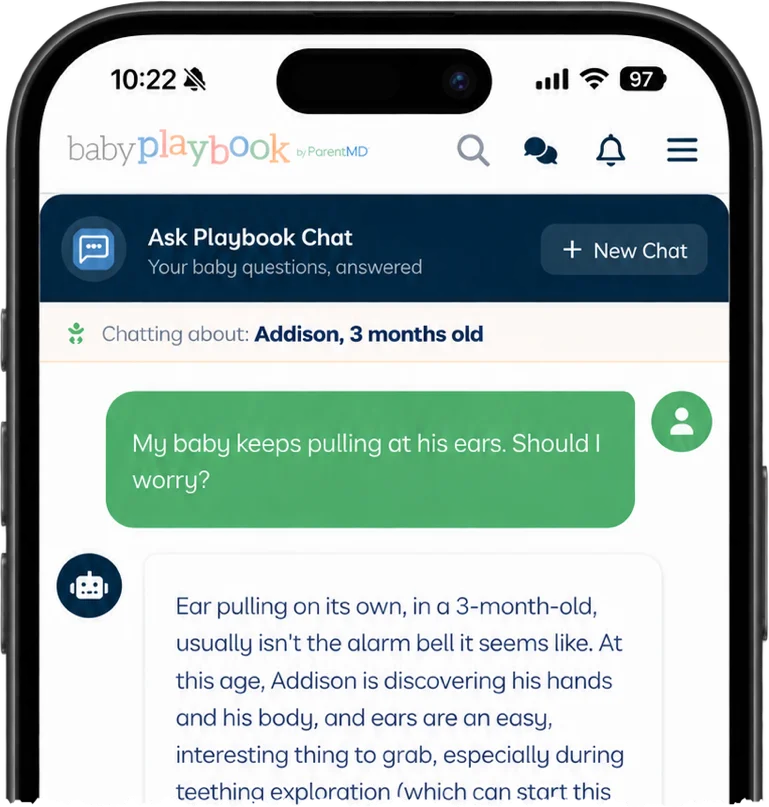
- The AI assistant's voice and limits, written and stress-tested with the pediatricians: warm, specific to this baby at this age, and clear about when to call the doctor.
- A privacy design that keeps the product outside protected health information: parents enroll themselves by QR code, partners share no patient lists, and nothing connects to a medical record.
The first working build ran on May 7. A group of mothers and clinicians started using it on July 1. Both health systems saw full demos in the last ten days of July.
04 / July to October
Then I picked up the keyboard.
From July 20, the fastest way to ship what the health systems and the beta group were asking for was to build it myself, the same way: specify, direct the models, review, ship. In September I redesigned and rebuilt the app's interface in one sprint. The audit and the plan were written on a Thursday morning. By Friday night, 71 commits touching 255 files were on staging.
- Partner branding and a tenant model, so each health system's parents see their own hospital's name and its own content, on one platform. One partner asked for a tile of its discharge videos; it was in the demo the next day.
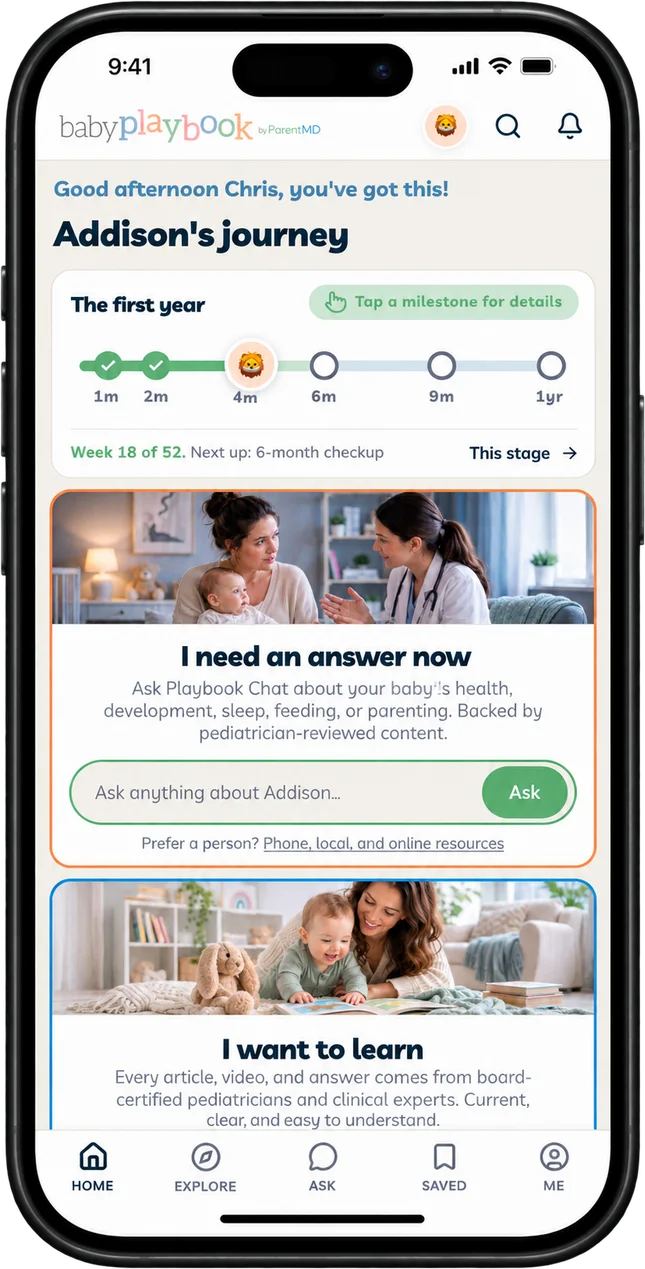
- A redesigned home screen built around what a parent needs at the moment they open it: the baby's journey, then two paths, an answer now or something to learn. The beta group had found the first version overwhelming. The new one has two choices.
- Sign in with Face ID and install to the home screen, so the app opens like an app.
- The September interface overhaul, which included cutting the app's different font sizes from 45 to 10, its button styles from 55 to 15, and its text colors from 42 to 10, so every screen reads like one product.
- The AI assistant brought in-house. It answers from the pediatrician-reviewed library first and falls back to a frontier model inside tight guardrails, scoped to each partner, streaming its replies, never diagnosing, and escalating the things a chatbot must never handle alone.
- Built to be found by AI search, with a readiness score of 94 out of 100 on both of the company's sites, and a rebuilt parentmd.com.
- Seven languages, starting with Spanish, with a translation style guide and a human review step, because the health systems said their parents needed it before launch.
05 / How it ran
From shut-off to go-live.
- Feb 22The previous vendor shuts the platform off. The scope reset goes to the team the next day.
- Mar 16Builder signed. First commit the next morning.
- May 7First working build.
- Jun 30parentmd.com live.
- Jul 1Beta opens to a group of mothers and clinicians.
- Jul 21 & 30Full demos to both health systems.
- Jul 31Production.
- Sep 11The redesign ships: 71 commits, 255 files.
- Oct 1Live for both health systems. Spanish content complete.
A feature the finance lead asked for at lunchtime was live by five. Every request from the beta group, the clinicians, and the health systems went onto one prioritized list that I owned, and the developer and I worked it down together, with a stand-up every afternoon and a written recap every month. When the first dashboard overwhelmed parents, I threw it out and had a new one in place in three days.
06 / Behind the product
Built so it can't be taken hostage again.
- Everything in ParentMD's name: the domains, the hosting, the repositories, the file storage, and the accounts behind email, text, and video delivery. Nothing sits under a vendor's login.
- Multi-tenant from the first commit, so a new health system is a new tenant with its own branding, not a new build.
- Written specifications and a running task list the developer worked from, so the product never depended on what one person remembered.
- An agentic development, QA, and documentation setup, in place since July, in which the models write, test, and document against specifications and reviews that stay with me. It's how two part-time people did the work of a team, and why the next developer inherits a documented system instead of one person's memory.
- About 1,000 automated tests across the app, the API, and the admin.
- A product roadmap and investor materials that describe the platform as it is, not as it was pitched.
07 / What's next
The rollouts are just beginning.
Both health systems are putting Baby Playbook in front of their new parents now. The platform is built for what comes after: more languages, usage analytics for each partner, and the next health system as one more tenant.
Message sent
Thank you. I'll reply to the email address you gave.